My 10 Go-To Tools For Calming My Nervous System

Think of your nervous system as an overprotective bodyguard. His entire job is to keep you safe, but sometimes he mistakes an uncomfortable conversation, posting on Instagram, or making a mistake for an actual threat.
And if he’s constantly working overtime and never gets a break, he becomes exhausted, jumpy, hypervigilant, and starts making more poor judgment calls. Instead of accurately recognizing what's actually dangerous, he begins interfering with anyone or anything you try to engage with.
Eventually, he starts seeing everything as a threat.
That's when anxiety begins to really ramp up. You can’t do anything without your overprotective bodyguard stepping in and ruining your time. Even fun things start to feel uncomfortable, overwhelming, or unsafe because your body is convinced it's protecting you from danger that isn't actually there.
If your overprotective bodyguard is working extra shifts, this blog is for you. There are things you can do in the moment to calm your nervous system. Think of it like leaning over to your bodyguard, putting your hand on his shoulder, and telling him, “Hey, I’m okay. You can stand down.” And there are things you can start doing consistently that, over time, help your bodyguard become overall less reactive and more resilient. It’s the equivalent to giving him lots of breaks and training so he comes back to work clear headed, sharp, and able to separate the stalker from the friendly fan.
Just remember, the bodyguard is always on the job, so you’re not trying to fire him. You want him there to truly keep you safe, but you also want him to stop tackling innocent bystanders!
I’ve been working really, really hard on training my bodyguard because recently, he’s been on a power trip. Here are 10 things that have really worked well for me. Everyone’s nervous system is different, so start practicing them and see what works for you. Keep in mind the word “practice”. Practice means repetition. Practice means your bodyguard is in training. He's not going to become a calm, highly skilled professional overnight. He's been doing things his own way for a long time. Give him time to learn a new job.
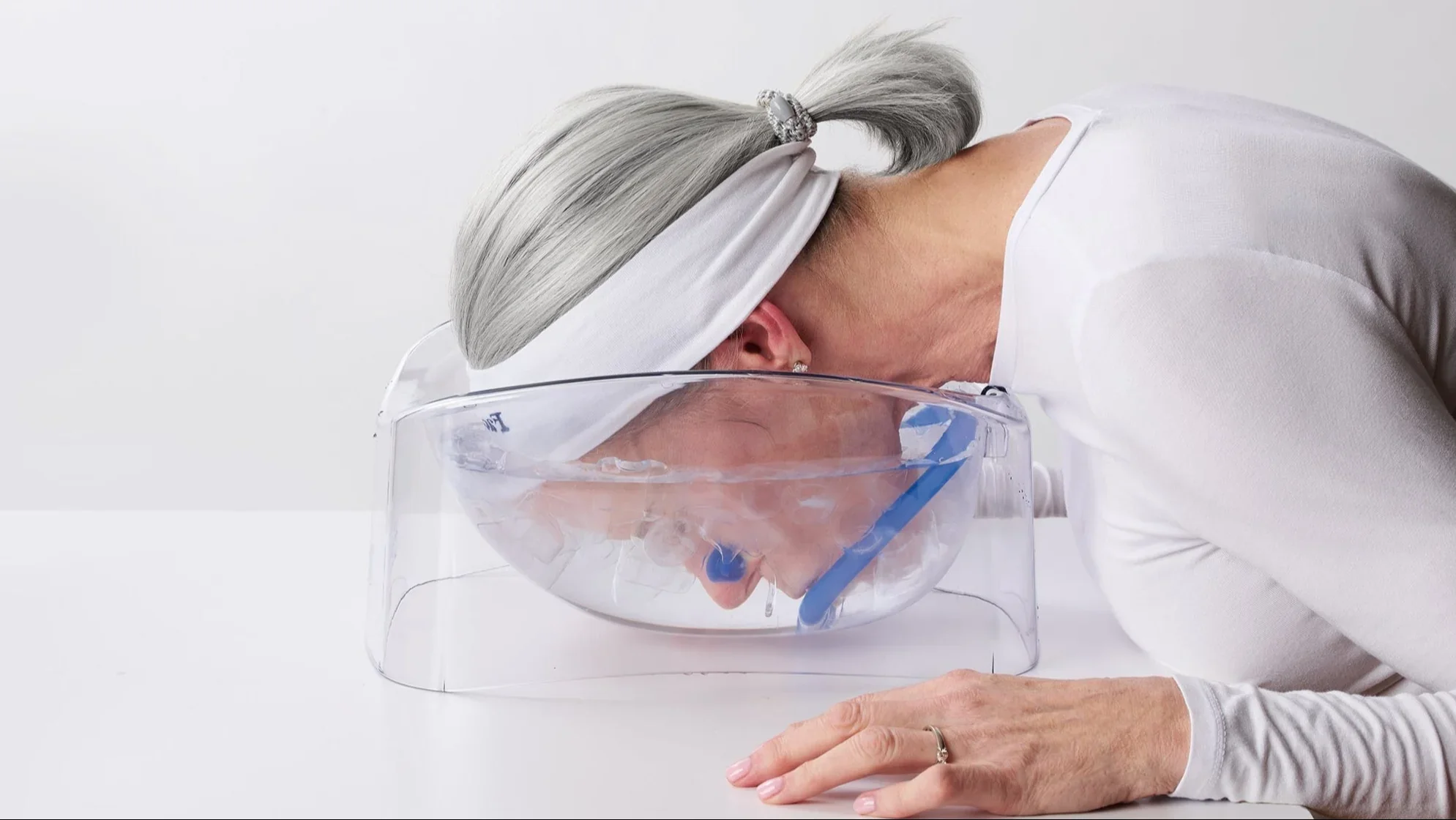
1. Face Tub. When I tell y’all this WORKS, I mean it. And my Oura ring data backs me up. I wake up many mornings feeling like my body is on high alert (thank you, perimenopause). I hate it. So within 30-45 minutes of waking up, I do this EVERY single morning. If you look at my Oura data, I often start my morning at the top of the “stressed” state. After doing my Face Tub, my body moves into “engaged”, “relaxed,” or “restored”. It physiologically shifts my nervous system.
This works in a few different ways. The cold exposure activates the dive reflex and stimulates the vagus nerve, all while you’re deep belly breathing (see #6). You’re stacking multiple calming tools together. All of these are effective enough on their own, but adding them together is powerful. As a bonus, the cold exposure can help reduce puffiness and redness on the face. Combined with deep belly breathing, it may encourage lymphatic drainage and leave your skin looking calmer and more refreshed. My husband blindly gifted this to me for Christmas last year and it has officially become one of my top wellness tools.
BUY IT HERE: https://amzn.to/3S6FmlX
2. Slowing Down. Here me out on this one. For as long as I can remember, I have moved fast. Imagine a character in a show when you press fast forward . . . that was me. For years, I was operating from the belief that I had too much to do and not enough time to do it. I trained my nervous system to believe we were always running out of time, so we had to hustle and hurry!
I’ve been reeeeeally paying attention to how fast I move. I’m walking slower. Breathing slower. Doing my chores slower. Typing slower. Talking slower. Driving slower. Cooking slower. Slowing down my thoughts. Resting a lot more (which, ironically, has actually given me more energy). Every time I catch myself rushing — especially for no reason — I stop and say, “I’m not in a race. I’m not being chased.” Then I take some slow, deep belly breaths and actually slow down my movements. This has taken me a long time to integrate, and I’m far from perfect. But even this very small shift has made a HUGE impact.
3. To Be Magnetic (TBM for short). Woo-woo girls, unite! ✨ I wish I could scream this one from the mountaintops. It has changed my life in more ways than any other self-discovery tool I’ve used — and that’s saying a lot. I originally started TBM because I wanted to learn more about manifestation, but it quickly became so much more than that. There’s a lot I want to say about it, but to stick with the theme of nervous system regulation, TBM was the catalyst. It gave me the awareness to see that my nervous system was, in fact, dysregulated.
One of my favorite parts of TBM is their deep list of Deep Imaginings — guided practices designed to help you access deeper parts of your mind, shift limiting beliefs, strengthen self-worth, and create more alignment in your life. They have some specifically for nervous system regulation and they have an entire 7-Day Nervous System Reset! They’re really helpful for long term resilience, but you can also use the Deep Imaginings in the moment to shift you to a calmer state. And it only costs $30/month when you commit to a full year. If you’re curious, check out their podcast Expanded first and see if it resonates with you.
CHECK OUT THE MEMBERSHIP HERE: https://tobemagnetic.com/the-pathway-membership
And if you decide to join, my code is LINDSAY6068 for 15% off your monthly price.
4. Stop Overplanning. I used to overplan my day. Every. Single. Day. I truly thought I had the ability to get an unrealistic amount done. But what I wasn’t considering was how much energy I would actually have, what unexpected things would pop up, or how long tasks would realistically take. No matter if I got it all done, I spent every day like a chicken with my head cut off, and always burned out by the end of it. See #2. Your body starts living like it’s constantly behind so your nervous system doesn’t feel safe to turn off. And your nervous system needs down time so it can recover.
Yes, there are things you have to get done each day. But then there are the extras. The things that aren't urgent. The things that could realistically wait. The things you added because you think you should do them. For example, your child does not need to be in 47 activities a week. Remember, you're also helping train their nervous system. They need downtime, boredom, and space to simply be. Spread things out. Don't stack every social activity, appointment, and task into the same few days. Each morning, look at your calendar and ask: "What actually needs to happen today? What can wait?". You’re welcome.
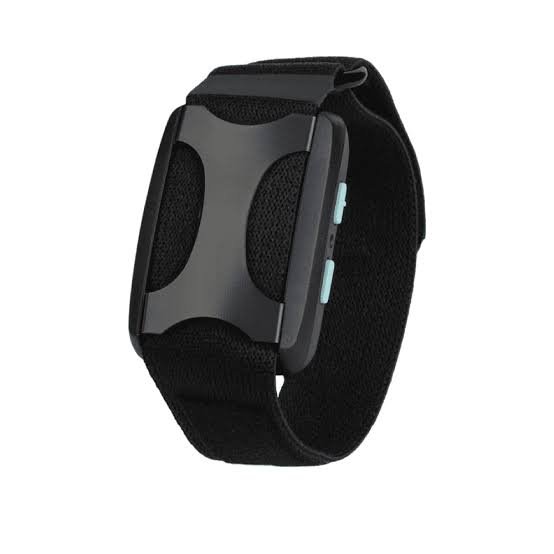
5. Apollo Neuro Bracelet. This next one is a luxury. It’s expensive, and you do not need it — but if it’s within your budget, it is such a nice tool to have. I bought mine about 6 years ago after my first bout with Covid completely threw my nervous system off. I lost my smell and taste for 8 months and I was struggling to fall asleep. I was desperate for anything that could help, so I decided to try it. By the second night, I noticed it helped me fall asleep much faster.
Now the Apollo Neuro bracelet is a support tool, not a magic "reset button." It works best when paired with other regulation practices on this list. It’s a wearable device designed to help regulate your nervous system through gentle vibrations called "vibroacoustic therapy." These vibrations communicate with your body’s stress response, helping you shift out of high alert and into a more relaxed, regulated state. It’s like giving your nervous system a calming hug through your wrist. You control it through an app and it comes with 8 different modes depending on what your body needs: Sleep, Unwind, Power Nap, Calm, Recover, Focus, Energy. So you can use it to help your body come down when you’re overstimulated, or support yourself when you need more energy and focus. I use it every day, multiple times a day.
If you’re interested, you can receive $50 OFF YOUR OWN BRACELET HERE: https://share.apolloneuro.com/x/0qvbmF
6. Full Belly Breathing. Now you know a nervous system regulation list is not complete without breathing. You can literally drop into a deep belly breath and shift into a calm, parasympathetic (rest and digest) state in just a few minutes. So yeah, it has to be mentioned because it is that effective. If you aren’t feeling the calming benefits of deep breathing, there’s a good chance you’re breathing from your chest — which does not signal to your body to calm down. You should be using a diaphragmatic breath — a breath that comes from the deep part of your belly, not your chest.
Try this right now. Put one hand on your chest and one on your belly. Take a slow, deep breath in. Which one rises? If it’s your chest, it may mean your diaphragm is tight or restricted, or your body may be spending more time in a stress response. As you inhale, your belly and lower ribs should gently expand outward, almost like you're filling a balloon inside your abdomen. If your chest rises first or your stomach pulls inward, you need to practice deep belly breathing.
This will take time. Your body has likely been breathing this way for years, so don’t expect it to change overnight. It took me many weeks to retrain myself and I still catch myself chest breathing when it matters most. Spend time intentionally practicing full belly breaths — not just when you’re anxious, but when you’re calm too. That’s how you teach your nervous system a new pattern. And once you feel what it’s like to truly drop into a deep belly breath, you’ll understand why people swear by this. You’ll become a believer too!

7. Cutting Out Caffeine. I put this one closer to the bottom because I didn't want you to stop reading — I know how defensive people get about their caffeine. But listen, IF caffeine is making your nervous system feel dysregulated, leaving you overstimulated, giving you heart palpitations, or making your mind race more often than it feels clear . . . why would you want to keep drinking it?! Find something else that gives you energy (see #1). Caffeine isn't the right fit for every body, and believe it or not, your tolerance for it can change as you age or as your nervous system becomes more dysregulated.
I stopped drinking caffeine about a year and a half ago, and it was one of the best decisions I made for my nervous system. Cutting it out gave all the other tools on this list a chance to work more effectively. My anxiety lessened, deep belly breathing became easier, my heart palpitations stopped, my sense of urgency decreased, and I no longer felt constantly on edge. I simply had to accept that my body didn't like caffeine anymore and start respecting what it was telling me. When I did, my body thanked me.
Now, on the days I want an energy boost, I drink UPDATE. Instead of caffeine, it uses paraxanthine — the primary metabolite your body naturally produces after breaking down caffeine. Combined with Alpha-GPC for focus and L-theanine for calm, it gives me smoother energy without the jitters I used to get from coffee. Half a can is usually all I need. They taste similiar to a red bull.
They now sell this on Amazon! BUY THE VARIETY PACK so you can try them all and see which flavor you like best: https://amzn.to/4qDQHH1

8. Creating an Evening Wind-down Ritual. I fought this one so hard for a long time. I used to get so much done after I put my little boy to bed. For a while, it worked. I could power through a few more hours of work and still fall asleep without any problem. But after ignoring all the signs that my nervous system was reaching its limit, my sleep started to suffer. It's like my nervous system finally said, "If you're not going to let me calm down after an already full day, fuck you." I reeealllly wanted to keep being productive, but once I finally surrendered and gave my body permission to slow down, I felt the shift.
Now, after I put my little boy to bed, I move into my wind-down routine. I do my skincare, put on my red light therapy mask, and use my PEMF device while I read a book or watch TV. If I scroll my phone, I set a limit so I don't fall into a hole. Around this time, I also put on my orange-lensed blue light blocking glasses (link below). About 30 minutes before bed, I inject my peptides, take my magnesium and progesterone, and then go right back to whatever relaxing activity I was doing. I've actually loved getting back into the habit of reading and crossing books off my list.
Every part of my routine is signaling to my body that bedtime is coming, so my nervous system can calm and relax. Your routine might look different, but the goal is the same — to consistently send the message to your nervous system that it's time to shift out of doing mode and into rest mode.
BUY THE GLASSES HERE: https://amzn.to/46m8bhE They have a lot of options!
9. Go to Bed Earlier. When I tell you that I fought this one harder than 2 drunk girls at a Waffle House, I’m not even lying. I was a night owl for most of my life. I’ve always loved staying up late and just being with myself. But did you know that your circadian rhythm changes as you age? Your body naturally starts wanting an earlier bedtime, and fighting against that can create problems. The MOST important thing you can do for your nervous system is SLEEP. When I finally pushed my bedtime back, reluctantly, I could not believe how much better I felt after only a week.
If you don’t understand how important sleep is for literally everything health-related, start learning about it. When it comes to sleep, more is usually better. Backing up your sleep time — even just 30 minutes to start — will make a noticeable difference. Lack of sleep increases cortisol (your stress hormone), makes your brain more sensitive to perceived threats, and decreases your ability to calm yourself down after stress. Sleep is the foundation for nervous system health. Just freaking do it.
10. Hormone Therapy. This one is for my perimenopausal ladies. If you know you’re in perimenopause and have confirmed with a perimenopause/menopause specialist (not your general practitioner) that you’re a candidate, hormone therapy should be a no-brainer. If you’re in your late 30s or older and “don’t feel like yourself,” it’s worth getting your hormones checked to see if perimenopause could be playing a role. I’m not going to dive into all the details here because I’ve already written about it. READ ABOUT IT HERE. But here’s a quick summary:
Perimenopause can dysregulate your nervous system because the hormones that help regulate your brain — especially estrogen and progesterone — begin fluctuating wildly and unpredictably. These shifts impact neurotransmitters like serotonin, GABA, dopamine, and norepinephrine, making your brain and nervous system more sensitive to stress, anxiety, overstimulation, poor sleep, and emotional reactivity. Your nervous system isn’t “broken”, it’s simply operating with less hormonal support than it used to. Hormone therapy introduces a little “sploosh,” of hormones to offer back some of that lost support. If you’re in perimenopause, the tools above are going to help some, but they will help a lot once you have this in place.
There you have it. I realized my nervous system was dysregulated about two years ago. Alllllll those years of hustling, constantly moving, rarely resting, and putting ridiculous pressure on myself to perform eventually caught up with me. My nervous system had enough. And I’m telling you this because eventually, yours will too if you’re living in a constant state of pressure, urgency, and stress — especially as a woman. Your hormones have a way of letting you know when your body needs something to change. It took time for me to show my nervous system that it was safe again. I had to prove to my body that I was building new habits, creating more balance, and choosing a slower, more easeful way of living. And it worked.
I don’t do every single one of these tools every day (because, hello, ain’t nobody got time for that), but I practice them all consistently enough. So choose the tools that feel doable for you. Start small. Start practicing. Show your body you’re trying. But I’m going to tell you one thing . . . you are going to have to slow it down some. Because if you don’t choose to slow down, your body will eventually choose for you — and I promise, you don’t want it to get to that point. Take it from me, it sucks.
Treat your nervous system gently, listen to what it’s asking for, and she will take care of you in return.